



CBD Oil for Pets: A Straight-Forward Guide for Aussie Owners
If you are googling CBD Oil for Pets, you are probably not bored.
You have a dog, cat or horse who is sore, stressed, slowing down, or on a long list of meds, and you are wondering if CBD might actually help.
At Discount Animal Products, we sit in the middle of that question every day. We stock CBD oil for pets, we ship it across Australia, and we hear the real-world stories behind the orders.
This guide is the version you would get if you called and asked, “Can you please just explain this properly?”
Short, clear, no drama.
Our Promise: At Discount Animal Products, we are committed to providing the best quality CBD oil for pets at the lowest price in Australia, ensuring that effective support remains accessible for every owner.

What Is CBD Oil for Pets, Exactly?
CBD (cannabidiol) is one of the main compounds found in the cannabis plant. The pet products you see are usually made from industrial hemp, not “marijuana”. They are specifically formulated to be non-psychoactive and non-intoxicating, which means there is absolutely no “high” for your animals.
Three Key Distinctions:
CBD vs THC
THC is the part that gets humans stoned. Dogs in particular do not cope well with THC. Proper pet CBD oils are made to be very low in THC or THC-free.
CBD Oil vs Hemp Seed Oil
Hemp seed oil is pressed from seeds and is great for skin, coat and general nutrition, but it contains no meaningful CBD. CBD oil comes from the flowers and leaves, then is blended with a carrier oil like hemp or MCT.
Full Spectrum vs Isolate
Full spectrum oils contain CBD plus minor cannabinoids and terpenes. Isolates are just CBD in a carrier oil. Discount Animal Products stocks both styles so owners can match the product to their vet’s advice and their pet’s needs.
Note: Looking for raw nutritional essential fatty acids and Omega profiles without active cannabinoids? View our dedicated guide to Hemp Seed Oil for Pets.
How CBD Works in Animals (The Biology)
All mammals possess an Endocannabinoid System (ECS). This complex biological network consists of receptors (specifically CB1 and CB2) and chemical neurotransmitters, such as anandamide, that help regulate critical functions like pain pathways, inflammation, mood, appetite, and sleep patterns. CBD interacts with this system indirectly, encouraging homeostasis (balance) rather than artificially shifting a single biological switch on or off. (Source: CBD Vets Australia)
Clinical veterinary research indicates these receptors are distributed extensively throughout your animal’s body—with studies recording receptor activity across the central nervous system, skin tissue, salivary glands, and the brain’s hippocampus.
In dogs and cats, that can translate into:
- Calmer behaviour in stressful situations
- Less stiffness and more comfortable movement
- Fewer or milder seizure episodes in some cases
- Better rest and recovery for senior pets
You are not “sedating” your dog into being a statue. When it works well, they just look like a more comfortable version of their normal selves.
CBD Oil for Dogs, Cats, and Horses: How it Varies
While the underlying endocannabinoid system functions similarly across mammals, different species exhibit unique sensitivities and target use cases that determine how you should approach their care.
CBD Oil for Dogs
Dogs possess the highest density of CB1 receptors in the hindbrain of any domesticated animal. This makes them exceptionally responsive to cannabinoid therapy, but it also means they are highly sensitive to poor processing. For canines, CBD is most frequently utilized to manage chronic osteoarthritis stiffness, separation anxiety, and situational noise phobias (like thunderstorms or fireworks).
CBD Oil for Cats
Feline biology is notoriously sensitive, and cats are master hiding-artists when it comes to chronic pain. Feline owners typically turn to CBD oil to manage hyperesthesia, idiopathic cystitis (bladder inflammation brought on by environmental stress), and senior cognitive pacing. Because cats lack certain liver enzymes needed to process specific essential oils, using a completely pure, unflavoured CBD isolate in a gentle carrier oil like MCT is paramount.
CBD Oil for Horses and CBD Oil for Large Animals
Due to their massive metabolic scale and large digestive tracts, horses require heavily concentrated formulas to move the needle. Equine CBD therapy focuses heavily on herd-separation anxiety, stable vices (such as cribbing), chronic laminitis discomfort, and desensitisation support during transport or heavy training phases.
What CBD Oil for Pets is Commonly Used For
People reach for CBD oil when something about their animal’s quality of life does not feel right.
Common reasons owners buy CBD oil for dogs and pets:
- Joint Pain and Arthritis
Older dogs who hesitate with stairs, struggle to get up after sleeping, or slow down on walks are the classic candidates. Some owners notice looser movement and less stiffness after a few weeks of regular dosing. (Source: Discount Animal Products) - Anxiety and Stress
Separation anxiety, storm phobias, fireworks, vet visits, grooming. CBD can take the edge off the overreaction without knocking them out. - Seizures and Epilepsy Support
CBD has been studied as an add-on for seizure control in dogs. Results vary, but for some, frequency and intensity are reduced. This area should always be done in partnership with a vet. - Ageing Brains and CCD (Doggy Dementia)
Senior dogs who wander at night, stare at walls, or seem “lost” in their own house are often being worked up for canine cognitive dysfunction. Some vets are using CBD alongside other therapies to help with agitation and sleep. (Source: The Village Vet) - General Comfort, Skin, and Recovery
It is also used around chronic pain, itch, gut issues and palliative care, usually as one part of a broader plan. (Source: Kindred)
Is it a magic fix for everything? No. But for the right pet, in the right dose, it can move the needle.
What Aussie Owners Are Saying
While clinical studies are ongoing, the feedback from our community highlights why CBD has become so popular:
| Pet Name & Breed | Condition Supported | Owner Feedback |
|---|---|---|
| Chester (5yo English Staffy) | Skin Irritation & Comfort | “Chester suffered with dermatitis on and off for many years. Since starting on CBD oil, his skin comfort has improved so much that we no longer have to rely on regular courses of steroids and antibiotics.” – Stacey |
| Sally (21yo Thoroughbred) | Chronic Joint Stiffness | “I wholeheartedly believe that CBD is the reason my 21-year-old thoroughbred is still moving around comfortably with us. The change in her mobility has been remarkable.” – Fiona |
| Tess (8yo Boxer) | Vitality & Quality of Life | “Cancer is a horrible thing to watch a pet go through, and treatments can be so draining for them. We are so thankful we discovered CBD oil to help support Tess’s comfort, appetite, and general quality of life.” – Geoff |
| Tizzie (6yo Rescue Cat) | Stress & Urinary Comfort | “Tizzie was such a stressy cat before we started her on CBD, frequently getting urine infections from stressing out over changes. Since using it, she is much more settled and content.” – Sam |
Is CBD Oil Safe for Pets?
Used sensibly, CBD has a fairly good safety profile in dogs and cats. Common, usually mild side effects include:
- Sleepiness, especially at higher doses
- Soft stools or mild tummy upset
- Increased thirst
- Temporary changes in liver enzyme values (specifically Alkaline Phosphatase or ALP) on routine blood tests
(Source: CBD Vets Australia)
Two Important “Why” Points:
- Pets process cannabinoids differently to humans. Dogs, for example, have more cannabinoid receptors in parts of the brain, so they are more sensitive to THC and overdoses.
- Many pets are already on medications. CBD can interact with other drugs that are metabolised in the liver, which is why a vet should be in the loop for anything beyond “mild support.”
If your animal is on multiple meds, has liver disease, or has a complex diagnosis, you want a vet guiding the plan, not just a dosage chart.
Spotting the Signs of THC Toxicity
Because dogs and cats have a significantly higher concentration of cannabinoid receptors than humans, they are highly susceptible to the toxic effects of psychoactive THC. If an animal accidentally consumes a human cannabis product or an unverified, poorly labelled online oil, they may experience secondary complications.
Common symptoms of THC toxicity to watch out for include:
- An uncoordinated, wobbly gait (ataxia)
- Disorientation, unusual vocalising, or crying
- Glazed eyes or heavily dilated pupils
- Excessive drooling and sudden vomiting
- Extreme hyperactivity alternating with sudden sleepiness
- Severe muscle tremors or hypothermia
If your pet has accidentally consumed a high-THC human product or is displaying these advanced neurological symptoms, skip the dosage charts and seek emergency treatment from your local veterinarian immediately.
When Should CBD Oil Be Avoided? (Contraindications)
While safety data shows excellent tolerance across standard adult companion animals, certain demographics should completely avoid cannabinoid supplements:
Pregnant and Lactating Animals: Laboratory safety trials indicate that cannabinoid exposure can potentially interfere with fetal development and cause reproductive complications.
Puppies and Kittens: Due to developing nervous systems and rapidly maturing liver pathways, active CBD therapy should be reserved for mature animals unless structured under direct veterinary supervision.
Animals with Advanced Liver Failure: Because CBD relies heavily on liver pathways for proper metabolic breakdown, animals experiencing clinical liver failure may struggle to clear the compound efficiently from their system.
CBD Oil for Pets in Australia: What is the Legal Situation?
CBD for pets in Australia sits within the medicinal cannabis framework. Veterinarians can legally prescribe medicinal CBD for animals under certain conditions, usually as a Schedule 4 medicine, and there are Australian vets and specialist clinics offering CBD oil for pets through these legal channels. For serious or complex conditions — seizures, multiple medications, liver concerns — a vet-prescribed pathway, tailored to your pet, is the clearest and safest route.
At the same time, the broader hemp-derived CBD market for animals is still an evolving space in Australia, and laws are working to catch up with demand. This is why you’ll see both vet-prescribed options and hemp-derived CBD oil sold online to Australian pet owners. Some professional bodies caution that buying CBD online without vet oversight sits outside current regulations, and they highlight the risk of poor-quality or mislabelled products — which is exactly why transparency matters wherever you buy from.
Our stance at Discount Animal Products:
We stock hemp-derived CBD oil for pets, with clearly labelled cannabinoid content and lab-verified batches. For mild, situational use, many owners are comfortable choosing a transparent supplier directly. For anything more serious — chronic conditions, seizures, or pets on other medications — we strongly recommend involving your vet, whether that means a prescription pathway or simply having them review your plan.
How to Choose CBD Oil for Pets (And Avoid Junk)
If you are going to buy CBD oil for dogs or other pets, you want to stack the odds in your favour.
Look for:
- Clear labelling
Milligrams of CBD per bottle and per mL, not just “hemp blend.”
Species guidance: dogs, cats, horses, etc. - Third-party testing
Independent lab reports (HPLC or similar) showing cannabinoid content and, ideally, screening for contaminants. Discount Animal Products highlights active cannabinoids per mL and uses lab-verified oils. - Appropriate strength
For small pets, lower-concentration bottles make accurate dosing easier. Larger animals may suit higher mg/mL options so you are not giving half a syringe each time. - Reputation and support
You want a business that actually answers questions, not just a checkout page. Discount Animal Products has been supplying CBD oil for pets in Australia for years, alongside mainstream vet products, which is a decent trust signal on its own.
If a product hides the numbers, has no batch testing and reads like a marketing brochure, it is not worth putting in your dog.
Why CO2 Extraction Matters for Pet CBD
Not all extraction methods are equal. Many cheap, low-grade oils online use harsh chemical solvent extraction (like ethanol, butane, or propane) to strip the compounds from the plant material. These cheap processes frequently leave toxic chemical solvent residues behind, which can cause severe digestive upset in sensitive cats and dogs.
At Discount Animal Products, our range focuses on supercritical CO2 extraction. This highly advanced process uses compressed carbon dioxide under extreme pressure to gently isolate the active therapeutic cannabinoids from the industrial hemp plant. It requires no chemical solvents whatsoever, leaving behind an exceptionally clean, highly concentrated, pure oil that preserves delicate plant terpenes without dangerous chemical contaminants.
How to Dose CBD Oil for Pets (With a Real Example)
There is no one-size dose, but the guiding idea is: start low, go slow, and watch your animal, not just the label.
A typical starting window many vets and CBD brands talk about is around 0.2–0.5 mg CBD per kg of bodyweight, twice daily, adjusting slowly based on response. (Source: CBD Vets Australia)
Example:
20 kg dog with arthritis
You choose a 1000 mg / 30 mL bottle (about 33 mg/mL).
Starting dose at 0.3 mg/kg = 6 mg per dose.
6 mg divided by 33 mg/mL = 0.18 mL, twice a day.
In practice, that might be around 0.2 mL on the syringe morning and night for the first week or two.
What to watch:
- Week 1–2: Any tummy upset? More sleepy than usual? Adjust down if so.
- Week 2–4: Movement, stairs, getting up from bed, willingness to walk, general mood. If there is zero difference and side effects are minimal, your vet may suggest a careful increase.
For seizures, complex pain or multiple medications, you do not experiment alone. That is vet territory only.
Note: For a complete weight breakdown covering small breeds, extra-large dogs, and custom titration schedules, read our complete CBD Oil Dosing Guide for Dogs.
How to Give CBD Oil So Your Pet Actually Takes It
Getting CBD oil into pets is half science, half trickery. Try these reliable options:
- Directly into the Mouth: Administer the liquid with a syringe along the inside of the cheek. This remains the fastest and most accurate method.
- Mixed with Strong Food: Blend the dose into a small portion of strong-smelling food, such as sardines, cooked chicken, or minced meat.
- Dropped onto Treats: Administer onto a high-value treat that will definitely be swallowed whole, rather than half-chewed and dropped on the carpet.
For cats, mixing into a favourite wet food is usually far less stressful than prying jaws open twice a day. For horses, most owners easily dose onto a small handful of chaff or a treat feed.
Why Buy CBD Oil for Pets from Discount Animal Products
You already know you can buy flea treatments and wormers from us. The same approach applies to our CBD range.
When you buy CBD oil for dogs and pets from Discount Animal Products:
- You are getting full-spectrum and isolate CBD oils with clearly stated cannabinoid content per mL.
- You can choose formulas aimed at cats, dogs, horses and larger animals, not just “one bottle for everything.”
- You have the option to pair CBD with hemp oil for pets, so your animal gets both cannabinoid support and the fatty acid benefits for skin and coat.
- You get flat-rate shipping across Australia, so topping up CBD sits in the same cart as the rest of your animal health supplies.
- Lowest Price Guarantee: We offer the best prices in Australia on premium-grade CBD, because we believe animal wellness shouldn’t be a luxury.
- Versatile Formulas: Our range is specifically curated for cats, dogs, and horses, ensuring the concentration matches the size of your pet.
- A Legacy of Trust: We’ve transitioned from being a traditional vet supply store to a leader in the Australian CBD space by maintaining the same high standards of transparency and support.
We are not trying to be a mysterious “CBD-only” brand. We are a practical animal health supplier that happens to take CBD seriously.
-
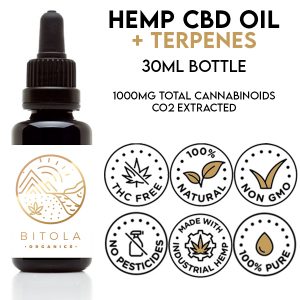 Best Seller
CBD OIL 30mL 1000mg
$129.00 Add to cart -
 Best Seller
Isolate CBD OIL 30mL
$145.00 Add to cart -
 Best Seller
CBD OIL Isolate + Melatonin 30mL
$159.00 Read more -
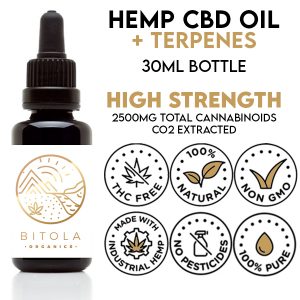 Best Seller
CBD OIL High Strength 2500mg 30mL
$209.00 Add to cart -
 Best Seller
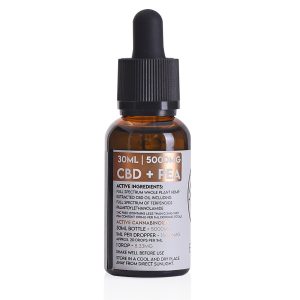
CBD OIL 5000mg +PEA 30mL
$399.95 Add to cart -
 Best Seller
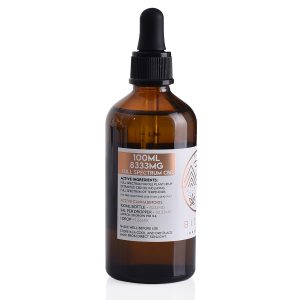
CBD High Strength 2500mg (Bulk 100mL)
$549.95 Add to cart
FAQ: CBD Oil for Pets in Australia
Is CBD oil legal for pets in Australia?
On paper, CBD for animals sits in the medicinal cannabis space, which means vets can prescribe certain CBD products under specific rules. In practice, you will see both vet-prescribed options and hemp-derived CBD oil for pets sold online to Australian owners. The safest move is to loop your vet in, especially for anything beyond mild anxiety or general support.
Will my pet get high from CBD oil?
No, not if you are using proper pet CBD products. CBD oil for pets is made from hemp and is either THC-free or extremely low in THC, so it will not create a “stoned” effect. The aim is comfort and calm, not intoxication.
How long does CBD take to work in dogs and cats?
Some dogs look more relaxed or less stiff within a few days, especially around anxiety. Joint and mobility changes often take 2–4 weeks of consistent dosing. With chronic issues, think in weeks, not hours, before you judge whether CBD is pulling its weight.
Can I use my own human CBD oil on my dog?
It is not a great idea to freestyle it. Human products may be stronger than you think, may contain flavourings or essential oils that are not pet-safe, and doses will be wrong for smaller animals. Pet-specific CBD oils make it much easier to measure safe amounts and avoid ingredients that do not belong in a dog or cat.
Is CBD oil safe to use with my pet’s other medications?
Sometimes yes, sometimes no. CBD is processed in the liver and can interact with other meds that use the same pathways. That is why any pet on anti-seizure drugs, heart meds, steroids or long-term pain relief should only start CBD with a vet checking doses and bloods.
What strength CBD oil should I buy for my pet?
Smaller animals generally do better with lower-concentration bottles so you can measure tiny doses accurately. Larger dogs and horses can use higher mg/mL oils without you needing half a syringe at a time. If you are unsure, start with a moderate strength and calculate your dose from your pet’s weight, then adjust with guidance.
How do I know if CBD is helping my pet?
Pick 2–3 things you care about before you start, and track those. For example, “time to get up in the morning,” “pace of daily walk,” “how hard they react to storms.” If those metrics look clearly better after a few weeks, CBD is earning its spot. If nothing obvious shifts, talk to your vet about dose or whether CBD is the right tool.
Can I stop CBD suddenly or do I need to taper it?
CBD is not an opioid or steroid, so there is no classic “withdrawal” profile, but for chronic conditions it still makes sense to taper rather than slam on the brakes. Gradually cutting the dose over a week or so lets you see whether symptoms creep back and how much CBD your pet truly needs day to day.
Do you ship CBD oil for pets everywhere in Australia?
Yes, Discount Animal Products ships CBD oil for pets across Australia with flat-rate shipping. That means your CBD, flea control, wormers and supplements can all arrive in the same box, without surprise postage charges at checkout.